


Cultural tension is rising, and Christians are asking how to respond to movements that clash with Scripture. While protest or political opposition can feel natural, Jesus points to a different kingdom. The real call is not cultural victory but faithful witness—truth spoken clearly, love lived well, and hearts changed by Christ.
When Culture, Protest, and the Gospel Collide
In recent news from Ukraine, a Pride march in Kyiv has once again drawn attention —not only from the public, but also from Christians wrestling with a deeper question: How should believers respond?
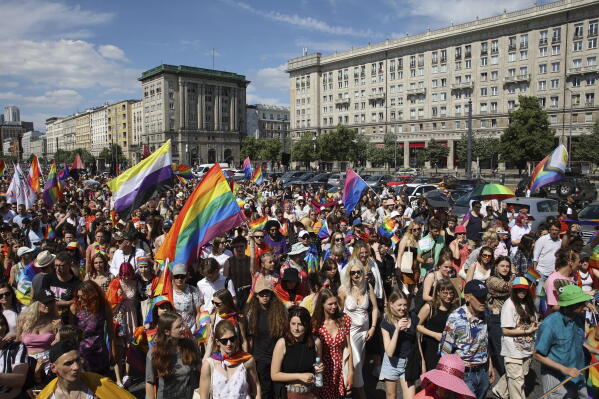
This isn’t entirely new. Pride events in Ukraine have existed for years, growing steadily after 2016. But the full-scale invasion in 2022 disrupted much of public life, including social movements. In recent years, as parts of Ukraine have regained a measure of stability, public demonstrations, including Pride events and counter-protests, have reemerged. For Christians watching this unfold, especially in places where cultural shifts are happening rapidly, the question becomes urgent: should the Church respond with protest, with political action, or with something else entirely?
The temptation to fight on the wrong battlefield
It’s easy for believers to assume that the most faithful response to cultural change is confrontation. If a public movement promotes values that conflict with Scripture, the instinct can be to organize counter-marches, raise banners, and enter the public square as political opponents. But Scripture repeatedly calls Christians to something more careful and more radical. When Jesus stood before Pilate, He made a striking declaration:
My kingdom is not of this world. If it were, my servants would fight to prevent my arrest by the Jewish leaders. But now my kingdom is from another place. - John 18:36
That single statement reframes everything. The mission of Christ was never centered on political dominance or cultural enforcement. His kingdom does not advance through pressure, protest, or coercion but through transformed hearts. This does not mean Christians stay silent about truth. It means they must be clear about what kind of battle they are actually in.
1. What kingdom are we building?
The first question every believer must ask is simple: Am I investing more energy into an earthly cultural victory or into the eternal kingdom of Christ? Political and cultural movements may shift laws, influence societies, and reshape norms. But they cannot regenerate the human heart like the Gospel.
Even if a society aligns externally with biblical ethics, it does not guarantee spiritual transformation. The kingdom of God is not built through legislation but rather through redemption.
2. What gospel are we preaching?
Paul writes:
But we preach Christ crucified: a stumbling block to Jews and foolishness to Gentiles. - 1 Corinthians 1:23
The message of the cross has always been offensive to human systems of power and ideology. It disrupts every political alignment, because it calls every person, not one side or the other, to repentance.
If the gospel we preach comfortably fits into one political framework while alienating none, we may have quietly replaced Christ with ideology. The gospel is not primarily a call to cultural reform. It is a call to surrender, repentance, and new life in Christ.
3. What example are we showing?
Jesus was famously criticized for His relationships:
Here is a glutton and a drunkard, a friend of tax collectors and sinners. - Matthew 11:19
He did not avoid people considered morally distant from God by society’s standards. But neither did He affirm sin. Instead, He brought truth wrapped in presence, compassion, and invitation. This creates a tension modern believers must learn to hold: truth without hostility, and love without compromise.
The most effective witness is rarely a shouted message across a protest line. More often, it is a conversation across a table, a relationship built over time, and a life that reflects hope.
A better way forward
The real question isn’t whether Christians should care about moral issues—Scripture is clear that truth matters. The question is what that concern is aimed at: winning cultural battles or seeing lives transformed by Christ. Only one produces lasting change.
In times of tension, the Church is pulled toward silence or confrontation, but the way of Christ is neither. It is faithful witness—speak truth clearly, live with conviction, and keep the goal in view: not winning arguments, but seeing lives changed by Jesus Christ.


