


A small church founded by Mark Suko demonstrated that true ministry success is faithfulness. By teaching Scripture, caring for people, and practicing humble leadership, it shaped lives without chasing trends or recognition, showing that God values steady, faithful service over size, influence, or popularity.
In an age when churches are often measured by attendance numbers, social media reach, or the size of their buildings, it is easy to forget a much simpler question:
What does success in ministry actually look like in God’s eyes?
The answer may be far less dramatic than we expect. Over the past four decades, I had the unique privilege of watching a local church quietly live out that answer. The church was not famous nor a megachurch. It never built a massive platform or attracted national attention. Yet it demonstrated something far more valuable that permitted it to flourish in its ministry - faithfulness.
A Church That Shaped My Life
Discovery Baptist Church was started in 1980 by my father, Mark Suko. I was only three years old at the time, making my earliest memories in the church.
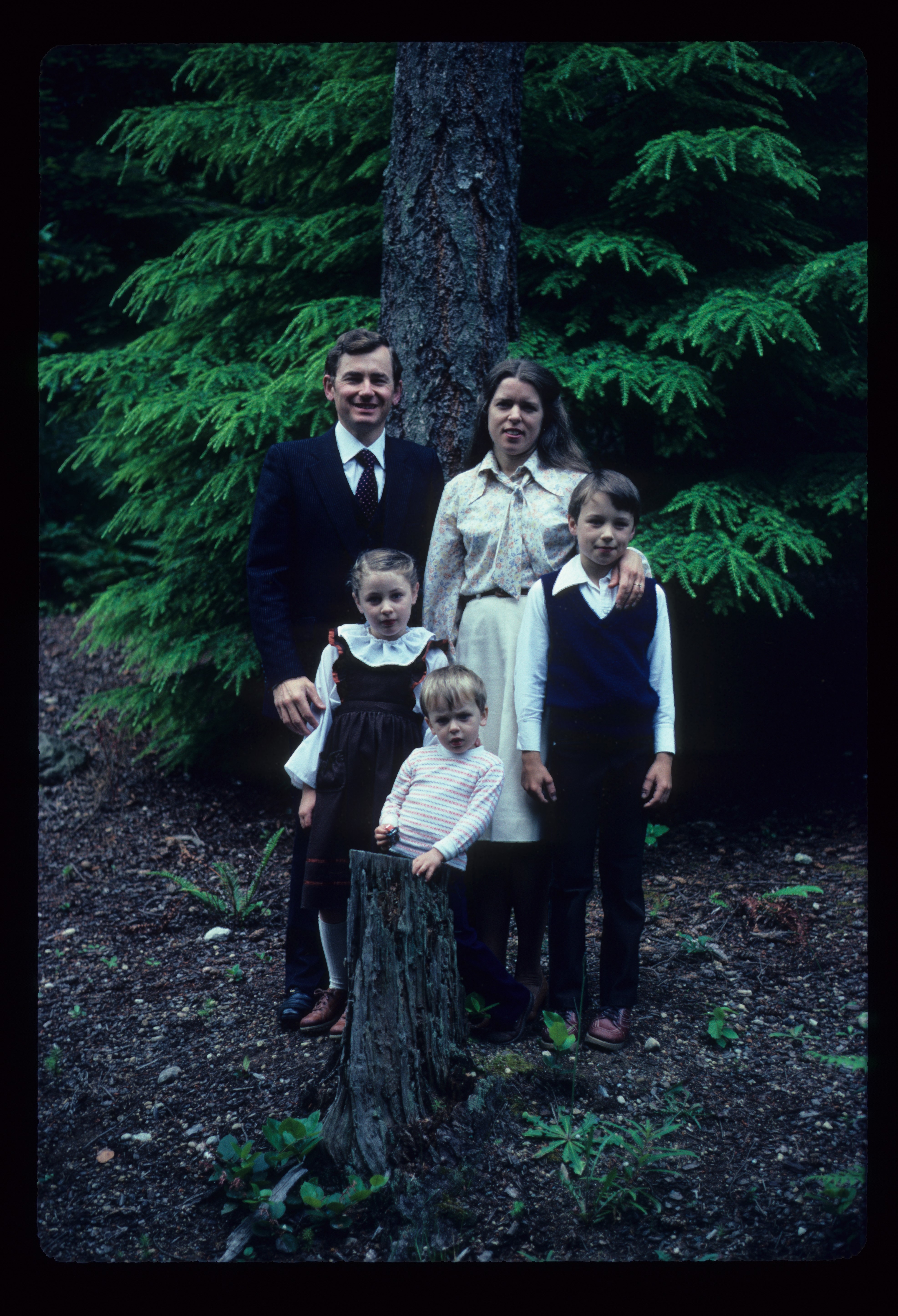
In the beginning the church met in an old rented building. The basement where the children gathered was damp and sometimes flooded. On more than one occasion we even found frogs down there. It certainly was not an impressive place. But God used those humble beginnings. It was at Discovery Baptist Church that I first heard the gospel clearly as a child and came to faith in Christ. As I grew older, the church continued to shape my spiritual life in ways I only fully appreciated later on.

When I was fourteen years old, the youth group occasionally led the evening service. One Sunday they needed someone to preach. For reasons I still cannot fully explain, they decided that I should do it. My first sermon lasted only about five minutes. I spoke from the story of Aaron and the golden calf in Exodus, focusing on how Aaron gave in to the pressure of the crowd while Moses remained faithful to God. At the time I had little idea what I was doing, but looking back I realize something important.
That message reflected one of the defining characteristics of the church itself, its faithfulness to God as opposed to giving in to the pressures of society.
Faithfulness Over Following Trends
One of the strongest impressions I carried from growing up at Discovery Baptist was a deep commitment to faithfulness. Over the years many church trends came and went. New strategies appeared that promised rapid growth or greater influence. Yet the church consistently resisted the pressure to chase whatever method happened to be popular at the moment and instead, maintained a simple focus to;
1. Teach the Word of God clearly
2. Care for people faithfully
3. Serve quietly without seeking recognition.
This kind of ministry rarely draws headlines, but it forms the backbone of healthy churches. God does not measure success by the size of a congregation or the reach of a platform. Scripture reminds us that what is required of us as servants of the Lord.
Moreover, it is required of stewards that they be found faithful. - 1 Corinthians 4:2
Valuing People, Not Numbers
One thing that especially stood out to me growing up at Discovery Baptist was how much the church valued its people. It didn’t seem to matter whether three people showed up to a service or hundreds filled the room - the approach was always the same. The teaching was just as careful, and the attention given to each person was just as genuine.

One member in particular stands out in my memory. His name was Darren Livingston. Darren began attending Discovery as a young man and continued coming for nearly forty years. He had Down syndrome, and yet he found a home in the church community. Darren was not treated as an afterthought or a charity case. He was treated as a valued member of the church family.
That kind of atmosphere creates what I often think of as healthy soil for spiritual growth. Biblical teaching is essential, but people also need a community where they are loved and respected. When both are present, faith begins to grow in meaningful ways.
Leadership That Looks Like Shepherding
Perhaps the most important lesson I observed was the nature of leadership within the church. The leaders consistently viewed their role through the biblical image of a shepherd. While I was in seminary, my father invited students preparing for ministry to sit in on church board meetings. For several years I was able to observe how decisions were made and how leaders interacted.
One moment stands out clearly. During discussions about difficult issues, my father would often remain quiet while others shared their thoughts. Sometimes the conversation lasted an hour or more before it finally returned to him. Only then would he speak. And when he did, he often said just a few words that brought clarity to the entire discussion.
At first I wondered why he did not assert his opinion earlier. Later I realized: true shepherd leadership requires humility. A shepherd does not force the flock forward through authority alone. Instead, he leads patiently, guiding people with wisdom and care. Jesus described this kind of leadership when He said,
I am the good shepherd. The good shepherd lays down his life for the sheep - John 10:11
The Quiet Power of Faithfulness
Today we live in a culture that constantly encourages churches to become the next big thing. Programs, marketing strategies, and innovation often receive more attention than the simple work of a faithful ministry. But the lesson I learned from Discovery Baptist Church is both simple and profound.
God does not ask every church to become large or influential, rather He simply asks His servants to be faithful.
- Faithful in teaching the truth.
- Faithful in caring for people.
- Faithful in serving with humility.
Whether the audience is one person or five hundred, the calling remains the same. In the end, that faithfulness is what leads to the words every servant hopes to hear:
Well done, good and faithful servant. - Matthew 5:21


