


Pastor Oleksandr Radin shares how the gospel is advancing in wartime Eastern Ukraine through The Story of Hope, bringing biblical clarity, faith, and real hope to people living in the midst of suffering and displacement.
When the first explosions shook Donetsk in 2014, Oleksandr Radin was not a pastor looking for a platform. He was a young believer helping remodel a Christian camp near Karlivka — and suddenly found himself just two kilometers from the first clashes of a war that would reshape his entire life and ministry. What began as a simple willingness to serve displaced families quickly grew into a calling to shepherd them, teach them, and ultimately introduce them to the hope found in Jesus Christ.
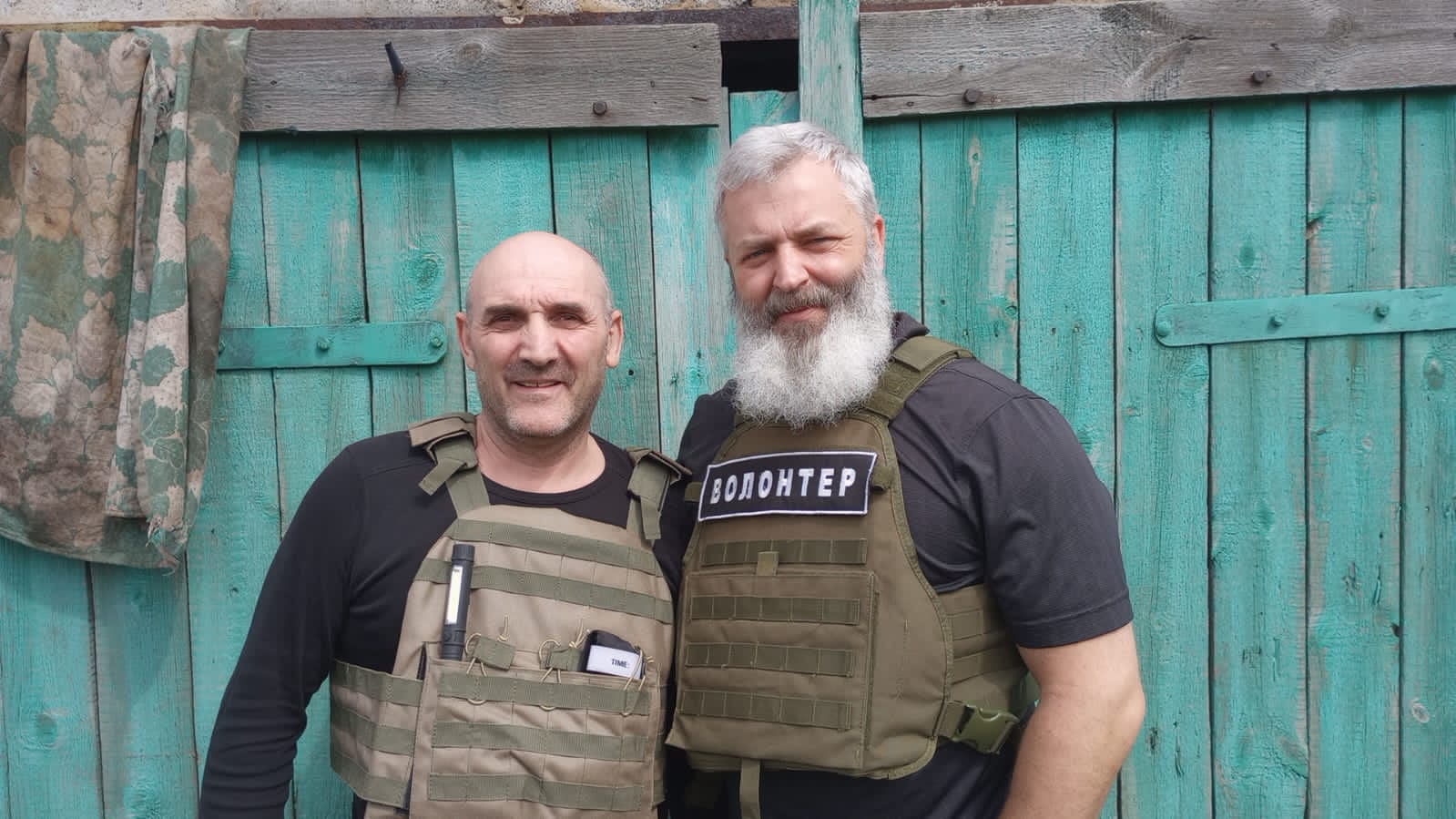
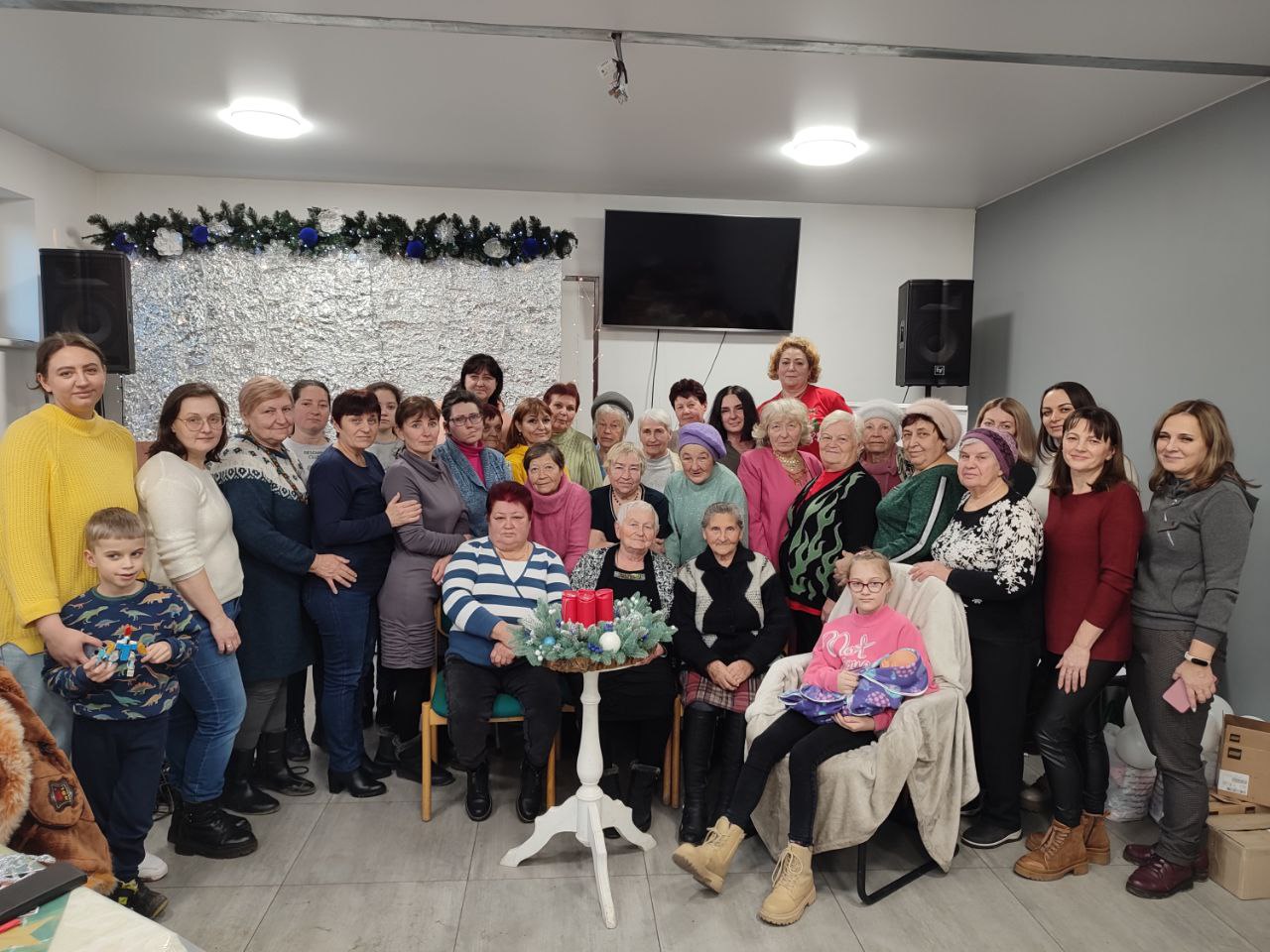
Today, as the Russian invasion continues to devastate towns across Eastern Ukraine, Oleksandr’s ministry has become a lifeline for internally displaced families, vulnerable women and children, and soldiers returning from the front. And at the center of his discipleship strategy is a resource he describes as “simple, clear, and powerful”: The Story of Hope — a chronological Bible study that helps seekers understand the gospel from Genesis to Revelation.
From Relief Work to Gospel-Centered Community
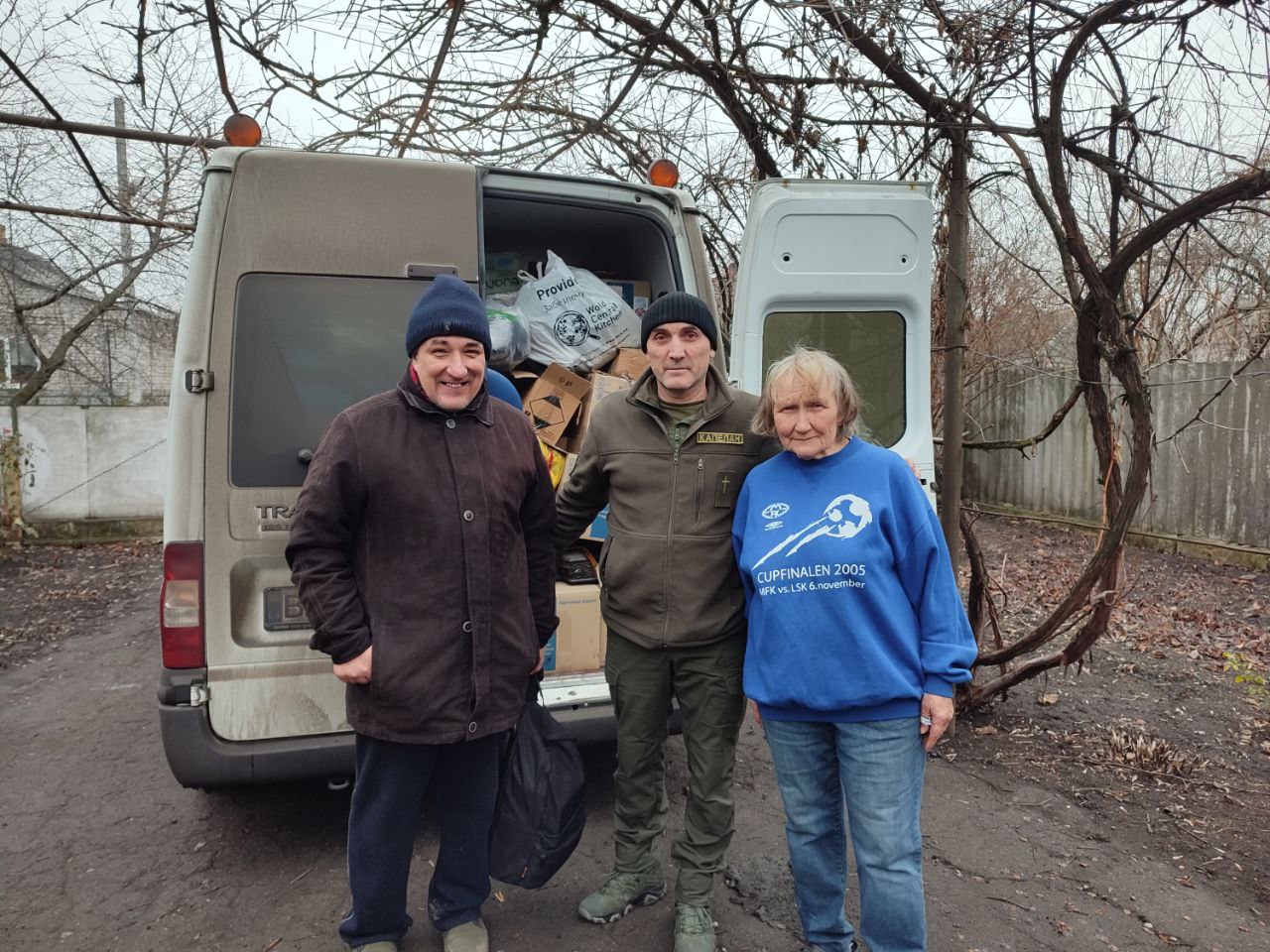
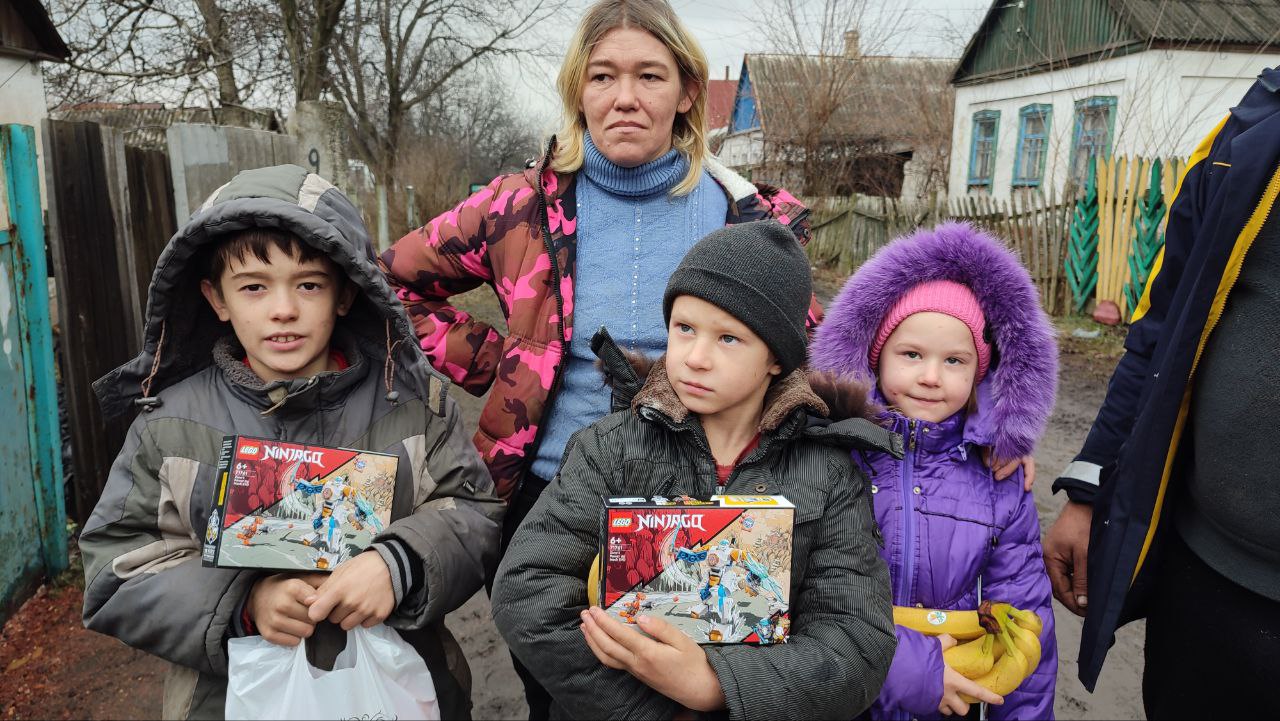
In the early days of the conflict, Oleksandr joined a small team of Christian volunteers delivering humanitarian aid to villages near the Donetsk airport. Week after week they brought bread, prayed with residents, and shared short gospel messages.
But something deeper began to happen.
“We started to notice interest in people’s eyes,” Oleksandr recalls in the interview.
“They were listening, they were hungry—not just for bread, but for the Word of God.”
As curiosity grew, villagers invited them into their homes for longer conversations. One woman even opened her house to host small gatherings. Yet it became clear that the ministry needed a stable location — a place that belonged not to an individual family, but to God.
After months of prayer, God provided just that: a simple facility where people from several villages could gather for Bible study, fellowship, and encouragement. This would eventually become the birthplace of Oleksandr’s broader ministry — one rooted in discipleship, not just relief.
A Ministry Shaped by War
War has never been a theoretical backdrop for Oleksandr. It has been the daily environment in which he ministers.
Whether it's traveling to people in need under shelling or praying with families as explosions echo nearby, one theme runs through every part of his testimony:
God keeps opening doors for the gospel.
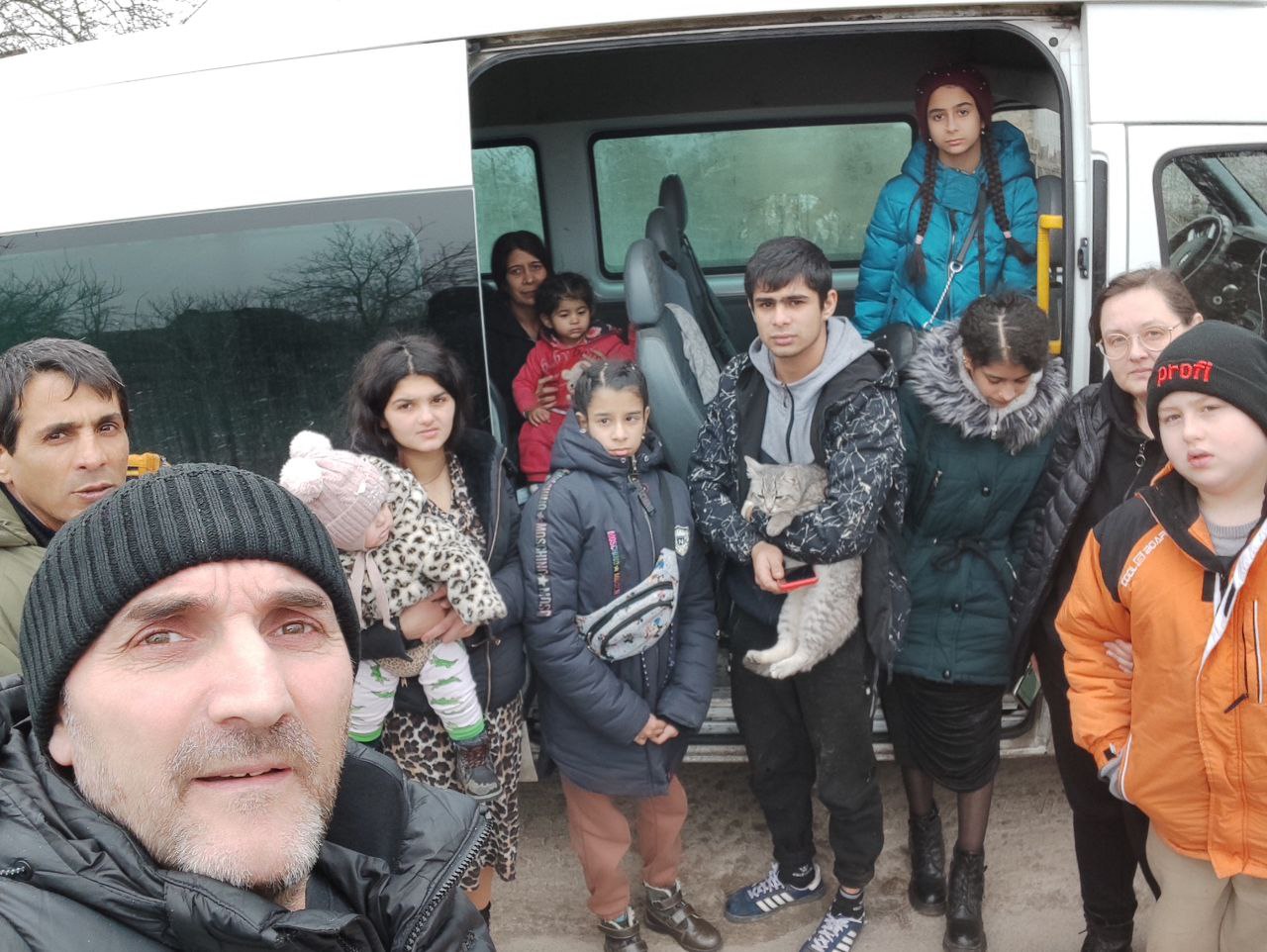
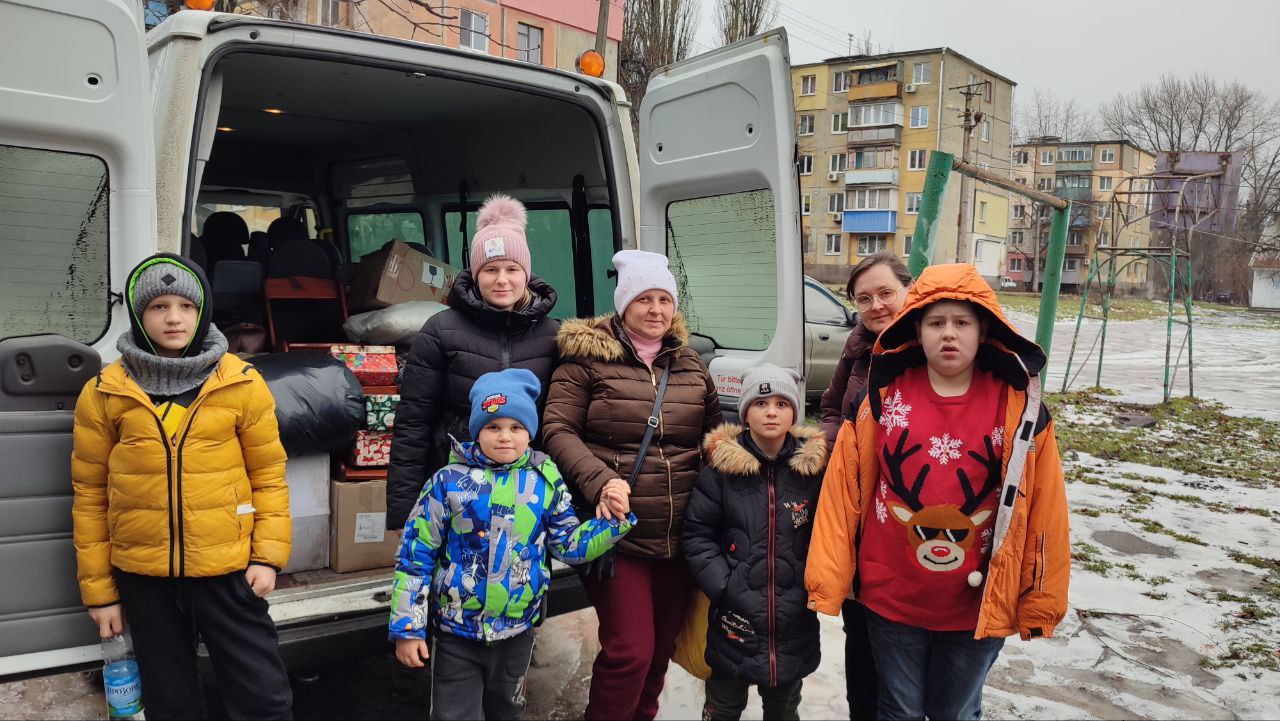
In 2025 Oleksandr helped plant a refugee church in Khmelnytskyi, while continuing regular trips eastward — sometimes into areas still under active bombardment. His team serves:
- Displaced families
- Women and children
- The elderly
- Soldiers returning from combat
- Small village groups forgotten by many humanitarian organizations
Wherever he goes, people ask the same questions:
Why is this happening? Where is God in all of this? Is there any hope for the future?
These are not questions that can be answered with a quick prayer or a loaf of bread alone. They require a foundation — a story that makes sense of suffering, sin, redemption, and the God who has not abandoned His world.
And that is why The Story of Hope has become one of Oleksandr’s most important tools.
Why “The Story of Hope” Works in Wartime Ukraine
When Oleksandr first encountered The Story of Hope, he didn't immediately recognize its potential. However, as he began to use it he realized how the material carefully presented the story of the Gospel in a way that invited interaction and required participants to think through the Scriptures. Many Ukrainians—even those from Christian backgrounds—do not fully understand how Scripture fits together. Wartime trauma has only deepened spiritual confusion.
“People’s hearts were open,” Oleksandr explains,
“but they needed the gospel in a way that was structured and clear. The Story of Hope helped them see the big picture of who God is.”
What makes the study so effective?
1. It starts at the beginning.
Most seekers in Ukraine know something about Jesus but almost nothing about the storyline leading to Him. Beginning in Genesis helps them grasp why Jesus came.
2. It creates community.
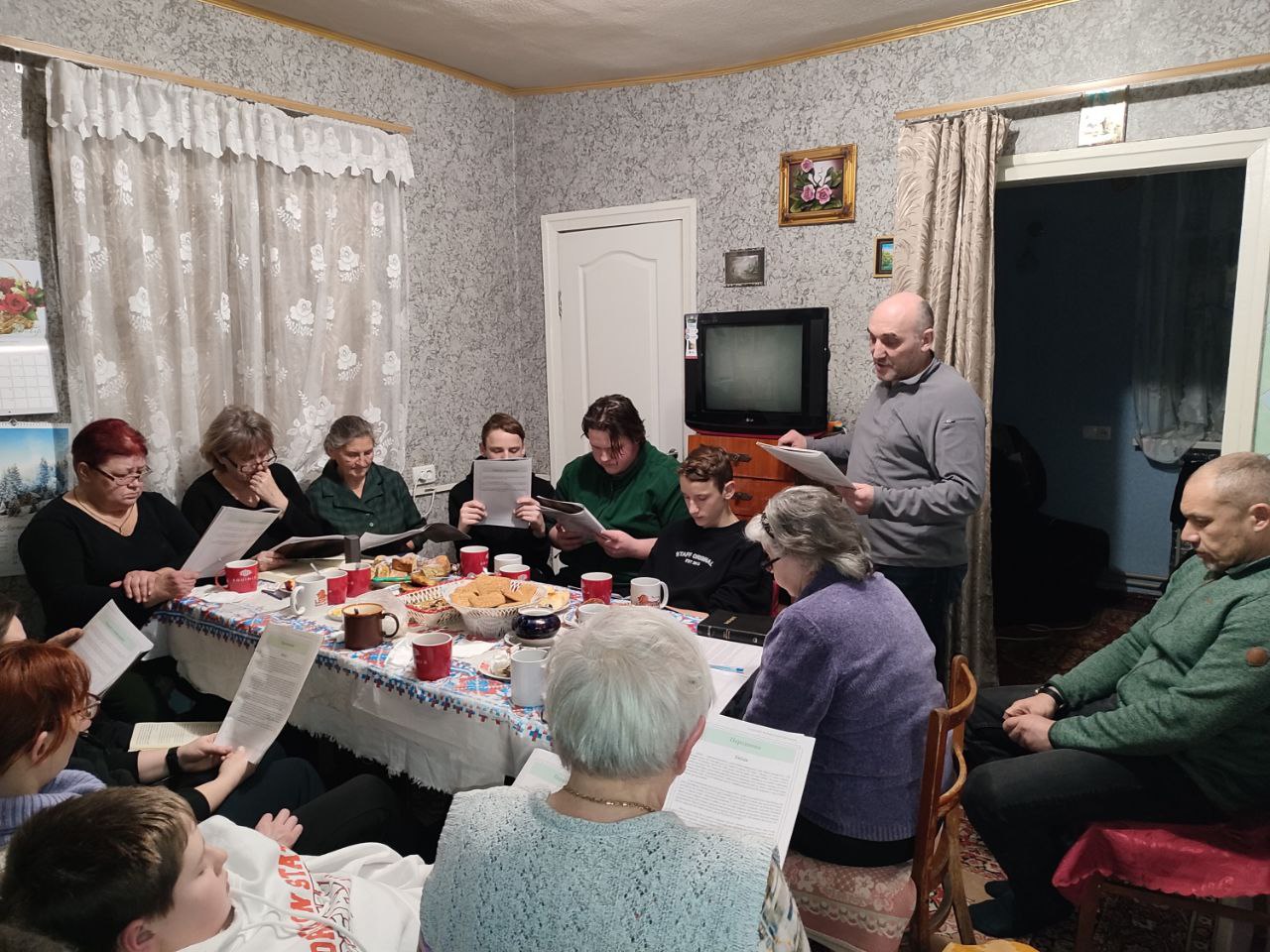
Groups gather weekly for discussion, prayer, and personal reflection — something deeply needed among those who have lost homes, stability, and sometimes family members.
3. It leads naturally to faith.
By the time seekers reach the final lessons, they have traveled through the entire plan of redemption. Many choose to follow Christ not out of emotion, but out of understanding.
Oleksandr now leads multiple Story of Hope groups and has trained others to lead additional groups. Even soldiers returning from the front have joined — some sitting through lessons with visible wounds, hungry for God’s truth.
Discipleship That Doesn’t Stop When the Missiles Fall
Oleksandr’s unshakable commitment to being present with people in their suffering is a testimony to God's grace in his own life.
Visiting dangerous villages week after week, sometimes needing to change locations because gathering outdoors became too risky. He recounts praying with people while artillery rumbled in the background. And he speaks of seekers who kept coming to lessons despite fear, fatigue, and displacement.
“People wanted to hear the Word of God,” he says. “Even when it was dangerous, they came.”
This consistency reflects Paul’s words in 2 Timothy 2:9:
“The word of God is not bound.”
Neither, it seems, is Oleksandr’s determination to carry it forward.
The Fruit of Faithful Teaching
Though wartime ministry is often slow and costly, God has produced remarkable fruit:
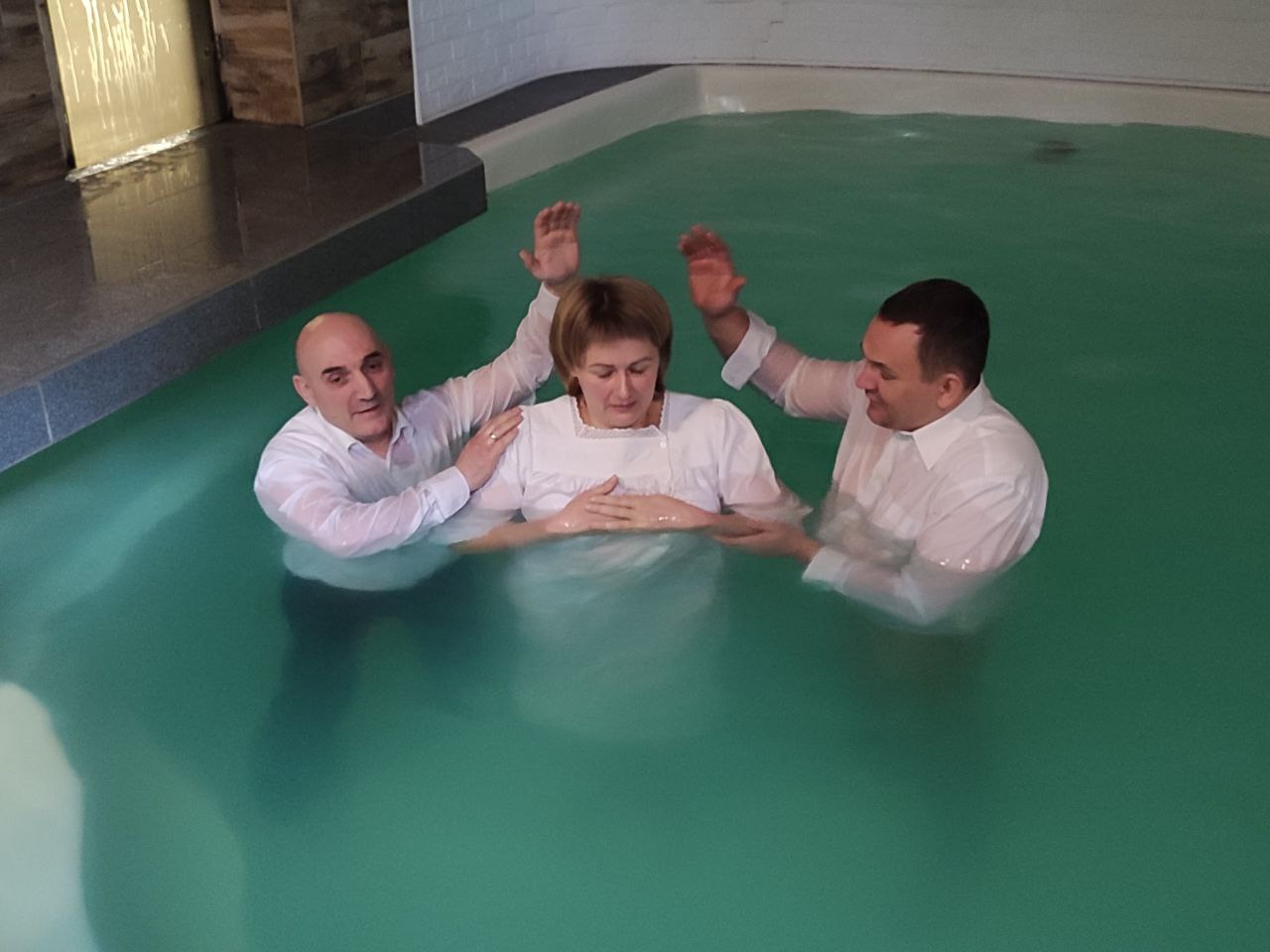
- Several participants in the Story of Hope groups have professed faith in Christ.
- Displaced families now meet regularly for worship in Khmelnytskyi.
- Women’s ministries, children’s outreach, and family counseling have grown organically around the study groups.
- Soldiers and their families have discovered spiritual support during the darkest seasons of their lives.
And everywhere Oleksandr goes, people ask for the same thing: more Bible study groups.
“We Could Not Do This Alone”
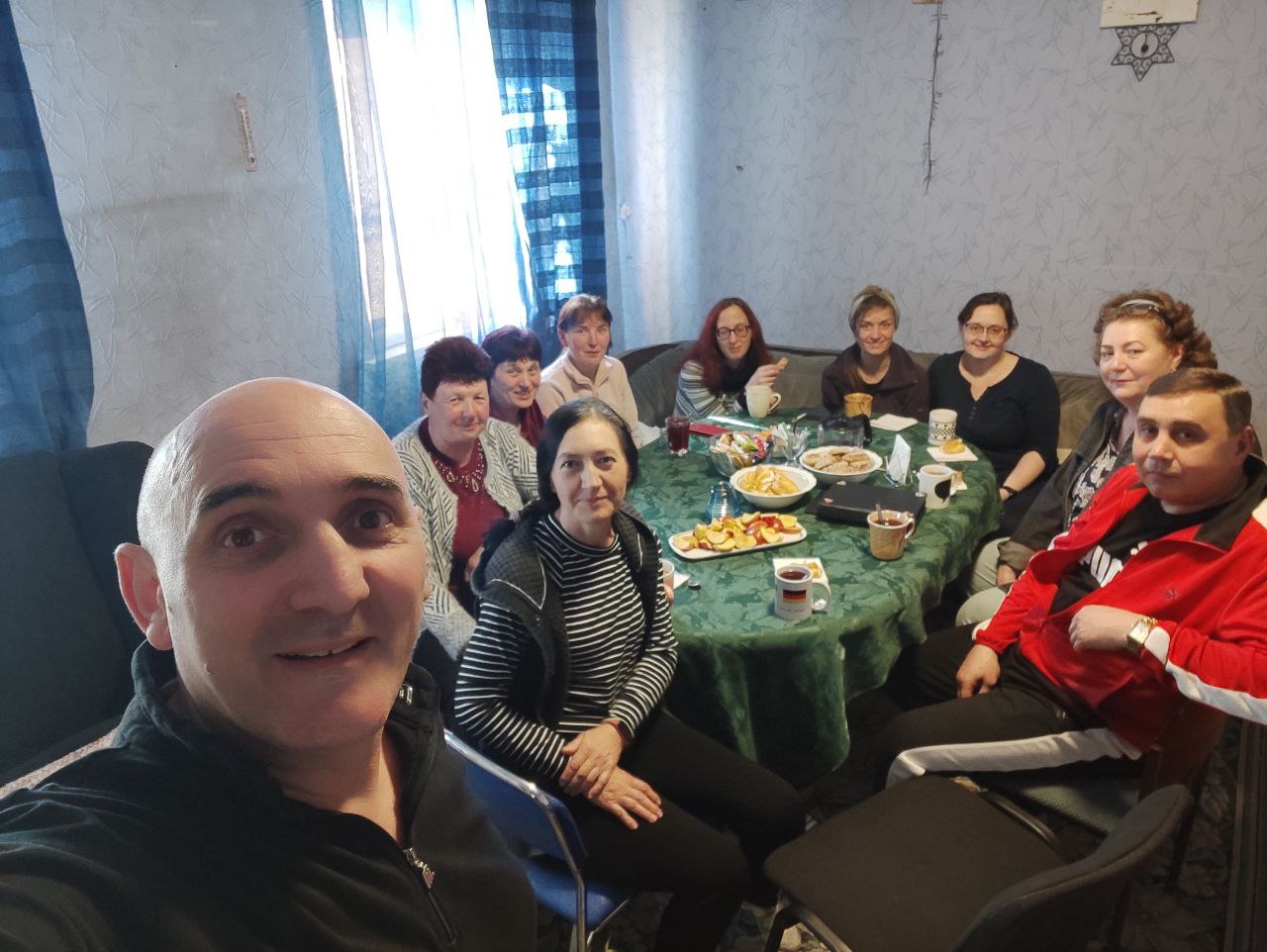
Oleksandr expressed his gratitude for God’s provision and for partners who stand with him.
“Without your support,” he says, “this ministry would not be possible.”
Your prayers, your giving, and your encouragement sustain pastors like Oleksandr as they bring both bread and the Bread of Life to the front lines of suffering.
A Ministry Worth Praying For
As the war continues, Oleksandr asks for prayer:
- For protection during his trips to the East
- For wisdom in shepherding refugees
- For the growth of new Story of Hope groups
- For emotional and spiritual strength for his family
- For revival among the villages devastated by war
The suffering in Ukraine is deep. But as Oleksandr’s life demonstrates, the hope of the gospel is deeper still.


