


After years of war, Ukrainian churches have grown stronger and more focused. They emphasize the gospel, meet practical needs, avoid political division, speak honestly about suffering, and live with an eternal perspective, showing that faith can deepen and thrive even in the hardest circumstances.
After more than four years of war, churches across Ukraine have been forced to confront realities that many believers in the West rarely experience. With constant air raid sirens, missile attacks, and displacement, uncertainty has now reshaped their daily life. Yet in the midst of these hardships, Ukrainian churches have not disappeared. In many places, they have become stronger, more focused, and more united.
Their experience offers several important lessons for churches in North America.
1. A Renewed Focus on the Gospel
When Russia launched its full-scale invasion in 2022, many Ukrainian churches quickly realized that secondary theological debates could no longer take center stage. Discussions about issues such as the timing of the rapture or other doctrinal differences did not disappear, but they became far less important than the core message of the gospel.
Instead, churches focused on the essential truths of Christianity: that Jesus Christ came to earth, died for the sins of humanity, rose again on the third day, and offers forgiveness and eternal life to those who place their faith in Him. This renewed focus also brought an unexpected level of unity among churches that had previously remained distant from one another. In a time of national crisis, believers found common ground in the message that matters most.
2. Meeting Real Human Needs
War created overwhelming physical needs across Ukraine. Families lost homes, jobs, and access to basic resources. Recognizing not only the spiritual but also the physical need, churches responded quickly by distributing food, providing shelter, and offering practical help to displaced families.
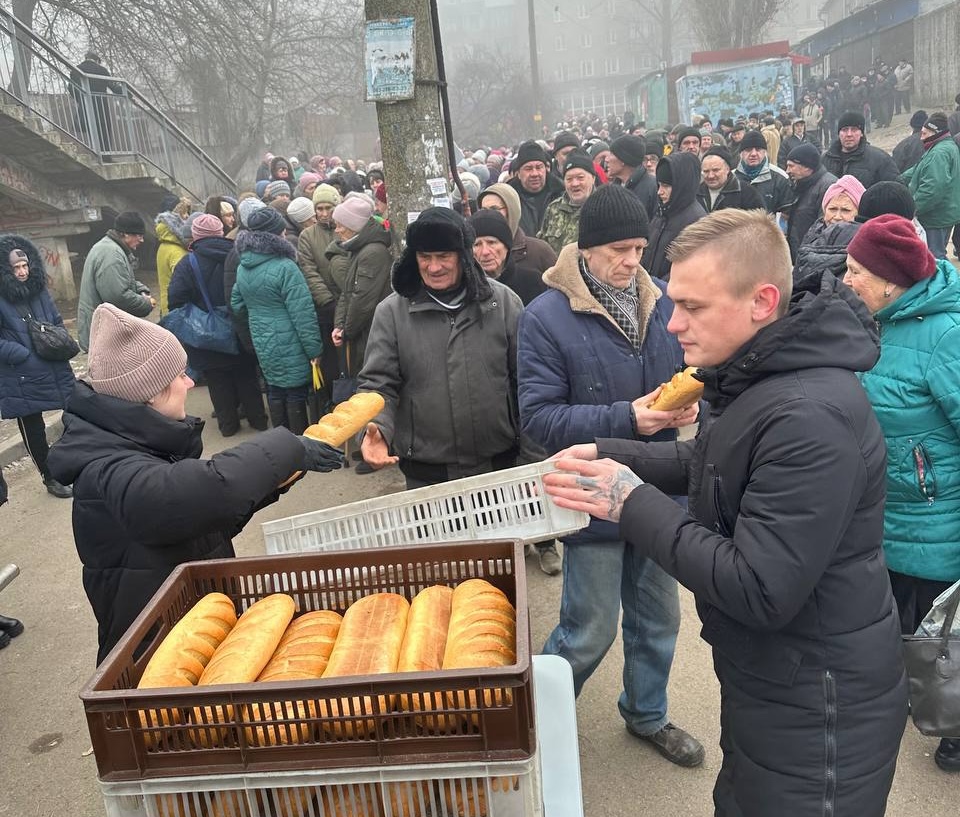
Meeting these tangible needs has opened doors for deeper conversations about faith. When people experience genuine compassion, they are often more willing to listen to the message behind that compassion. While not everyone who receives help embraces the gospel, many have become curious about the faith that motivates such sacrificial service.
3. Avoiding Political Division
Another striking feature of many Ukrainian churches has been their effort to remain united rather than divided by political loyalties. Believers pray for their country and support those defending it, yet churches generally avoid becoming platforms for political factions. Scripture reminds believers that their ultimate loyalty does not belong to any nation or political movement. As the apostle Paul wrote,
Our citizenship is in heaven - Philippians 3:20
Instead of placing ultimate hope in governments or leaders, Ukrainian pastors often remind their congregations of a deeper truth: the believer’s ultimate citizenship is in heaven. In a time when political debates frequently divide churches in the West, this perspective offers an important reminder that the church’s true allegiance lies not on earth but in heaven.
My kingdom is not of this world. - John 18:36
4. Honest About Suffering
There is no room for the prosperity gospel in a war torn country because people have already had to face the realities of this sinful world. Ukrainian churches rarely promise an easy life. War has made that impossible. Instead, pastors speak honestly about suffering while pointing people toward the hope found in Christ. Rather than promising prosperity or comfort, they emphasize forgiveness, redemption, and eternal life. In doing so, they echo Christ’s own words when he warned His followers that suffering would be part of life in a fallen world.
In this world you will have tribulation. But take heart; I have overcome the world. - John 16:33
5. Living with an Eternal Perspective
Perhaps the most profound lesson is the way many Ukrainian believers view life through an eternal lens. When war constantly reminds people how fragile life is, the temporary nature of earthly struggles becomes clearer. For many Christians in Ukraine, this perspective shapes their entire approach to ministry. Hardship is real, but it is not the final story. Beyond present suffering lies a future hope that cannot be destroyed by war, loss, or uncertainty. The apostle Paul captured this perspective perfectly,
For this light momentary affliction is preparing for us an eternal weight of glory beyond all comparison. - 2 Corinthians 4:17
In this way, Ukrainian churches demonstrate something powerful: the church does not depend on comfort or stability to thrive. Often, it is in the most difficult circumstances that faith shines most clearly.


