


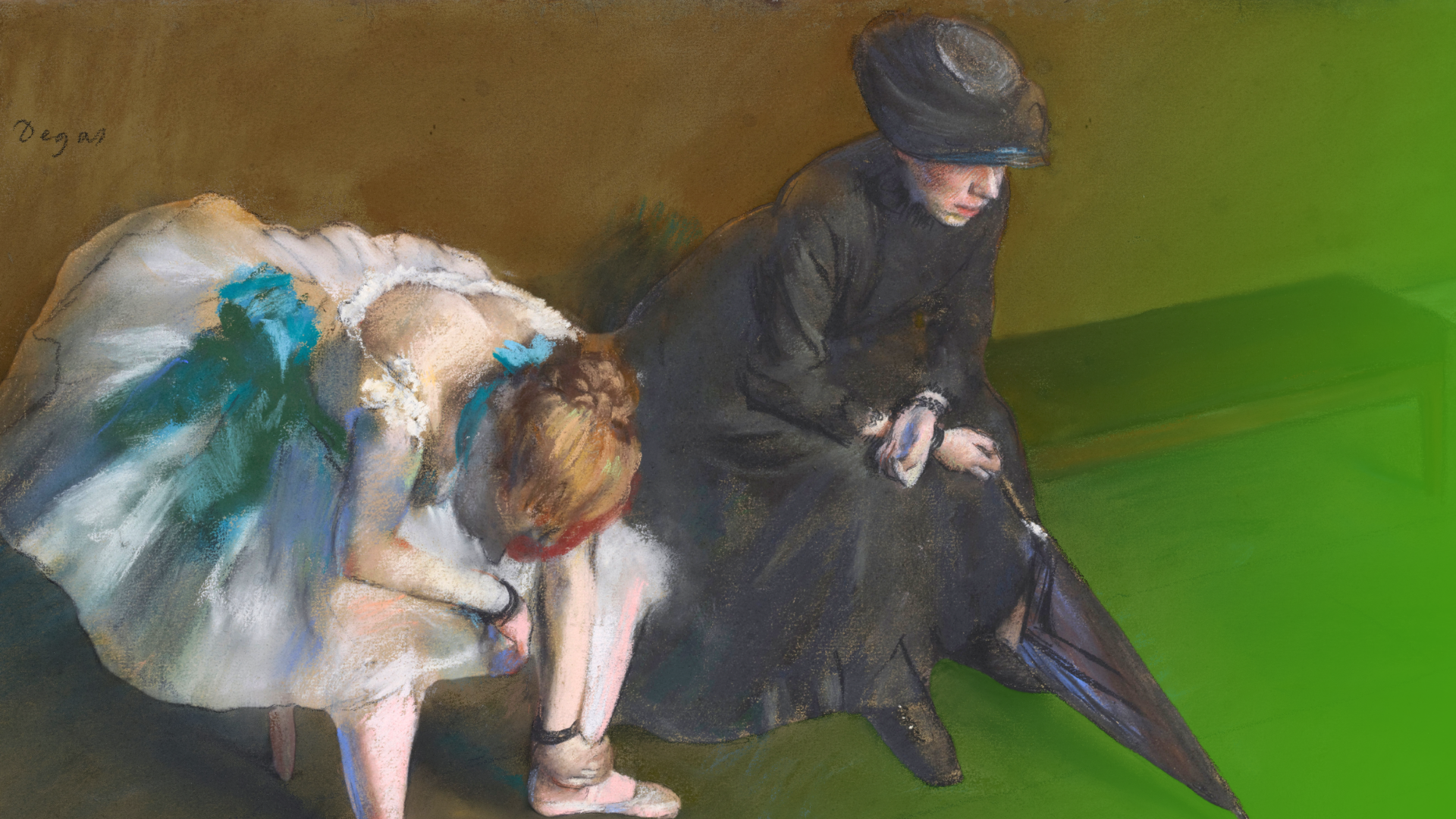
Waiting is a part of every life, but what if God’s delays are not about learning a lesson or earning an answer?

From the very moment we wake up, we are waiting for something. We wait for the water in the kettle to boil, for the door to open, for a response to an email we sent three days ago—and now we keep checking our inbox as if that will make it arrive any faster. Waiting is so ordinary that we stop noticing it, just as we stop noticing the air we breathe. And yet, hidden within this everyday reality is one of the sharpest spiritual questions the human heart can know: What do we do when God seems to delay?
Betsy Howard’s book Seasons of Waiting attempts to answer this question not from the perspective of a theoretician standing behind a pulpit, but from personal experience. For years, she carried a loneliness she had neither asked for nor understood—and it was precisely that loneliness that forced her to rediscover Scripture. This is one of those rare cases where a book about theology is not written above suffering, but from within it.
The Student Who Doesn’t Want to Stay in School Forever
Many people live with the idea that God keeps us in a difficult season only until we learn the lesson we are supposed to learn. Once we “pass the test,” the doors will open, a spouse will appear, the diagnosis will disappear, the prodigal son will return. Familiar logic, isn’t it? It is comfortable precisely because it puts us, rather than God, at the center of the process.
Andrew Murray, in his classic work Waiting on God, turns this logic upside down. We seek gifts—a husband or wife, a child, healing, a home. But the Giver wants to give us not simply a solution to our problem, but Himself. And then prolonged waiting ceases to be a punishment or an oversight; it becomes an instrument through which God uproots the familiar idols in our hearts and our habit of trying to overcome pain through our own strength. The goal of the school of waiting is not early graduation, but the ability to remain before God with joy, even if the lesson does not end until death.
Reading this, I caught myself thinking of something that, I suspect, is familiar to many who have spent years working in evangelism among a scattered people longing for home: we too often pray for the end of the season rather than for the presence of the One who is with us in that season.
Five Rooms in One House
Howard structures most of the book around five different kinds of waiting, and the strength of this structure lies in how recognizable they are. These are not abstract categories, but the living voices of real people, each accompanied by biblical parallels of remarkable depth.
- Waiting for a spouse
Katie is waiting for a husband and watches in fear as her “biological window” begins to close. Her waiting is strikingly similar to the waiting of the entire Church—the Bride—whose earthly story is itself the story of an engagement stretched out until the marriage supper of the Lamb. A single, godly woman is not a second-class citizen in the Kingdom; rather, her life is one of the clearest metaphors for the condition of the entire Church. - Waiting for a child
Christine is waiting for a child after miscarriage, endometriosis, and the exhausting bureaucracy of adoption. Alongside her story stands Sarah, who waited for the promise not for months, but for decades. The Bible, in fact, tells the stories of barren women with remarkable frequency—Sarah, Rachel, Hannah, Elizabeth—and it is precisely through these “empty vessels” that key figures in the history of salvation enter the world. - Waiting for healing
Tim is waiting for healing at twenty-nine years old, with stage-four colon cancer. Here, there are no easy answers to offer—but we can turn to Paul, with his thorn in the flesh and the words, “My grace is sufficient for you.” Healing is not guaranteed in this life. But it is precisely within this tension of the “already, but not yet” that longing is born for a body no longer subject to decay. - Waiting for a home
Chris and Mandy, missionaries, are waiting for a home for their children, who never quite feel that they belong anywhere—classic “third-culture kids.” Here, I admit, I was no longer reading as a reviewer, but as a participant. Too much of this description of rootlessness corresponds with what I have seen over many years in the lives of those I serve in different corners of Europe. Howard reminds us that the apostle Peter calls us strangers and foreigners not merely as a source of comfort, but as a diagnosis. A person who has become too comfortable on earth is a person who has forgotten where their true citizenship lies. - Waiting for the prodigal son to return
Finally, Susan is waiting for her drug-addicted son to return, while Lynn is waiting for her unfaithful husband to repent. Their waiting can be placed alongside the parable of the prodigal son and the marriage of the prophet Hosea—a marriage built entirely around one person’s betrayal and the other’s unwavering love. This is perhaps the most painful of the five rooms because the person waiting here is powerless: you cannot suffer enough on behalf of someone else to bring about their repentance.
The Danger at the Other End of Waiting
And it is important to remember Howard’s warning: the danger is not the pain of waiting, but what may come afterward. The prayer is answered, the child is born, the marriage takes place, the diagnosis disappears—and it is precisely at that moment that the gift risks taking the place of the Giver.
Here we might remember C. S. Lewis’s words: “We often reject the good offered by God simply because we have already decided what that good must look like.” The fulfillment of an earthly dream should not dull our longing for the new heavens and the new earth; it should sharpen it. Because after one season of waiting ends, another begins—the mother who finally has her child begins to fear for the child’s health; the person who finally buys a home begins to fear losing it.
Christianity, Howard concludes, is a religion of continual waiting, with only one true climax: the Second Coming.
Why This Book Matters Right Now
I look at these stories not as an outside observer, but as someone who has spent years surrounded by similar voices—from migrants who lost their homes overnight to people who have waited for years for loved ones to return from spiritual “wandering.”
And so, to me, Howard’s greatest contribution is not comfort—there is plenty of comfort available in the Christian publishing world—but honesty. She does not promise that waiting will end well in the sense that we want it to. But she does promise something stronger: that in our waiting, we are not met by emptiness, but by God Himself.
Perhaps the problem is not that the doors are not opening, but that we still think the purpose of our lives lies on the other side of those doors, rather than in the One who stands beside us on this side of them.
My eyes fail, looking for your salvation, looking for your righteous promise. — Palm 119:123
Yet I am always with You; You hold me by my right hand. — Psalm 73:23


